Reimagine your industry with real-time insights.
In every industry — from manufacturing to healthcare, energy, retail, and beyond — disconnected systems and fragmented data hold back potential. Nexus integrates your operations, machines, and data into one unified ecosystem, transforming data into real-time intelligence. With Nexus, you can optimize performance, predict challenges, and make smarter decisions faster, across every layer of your business.

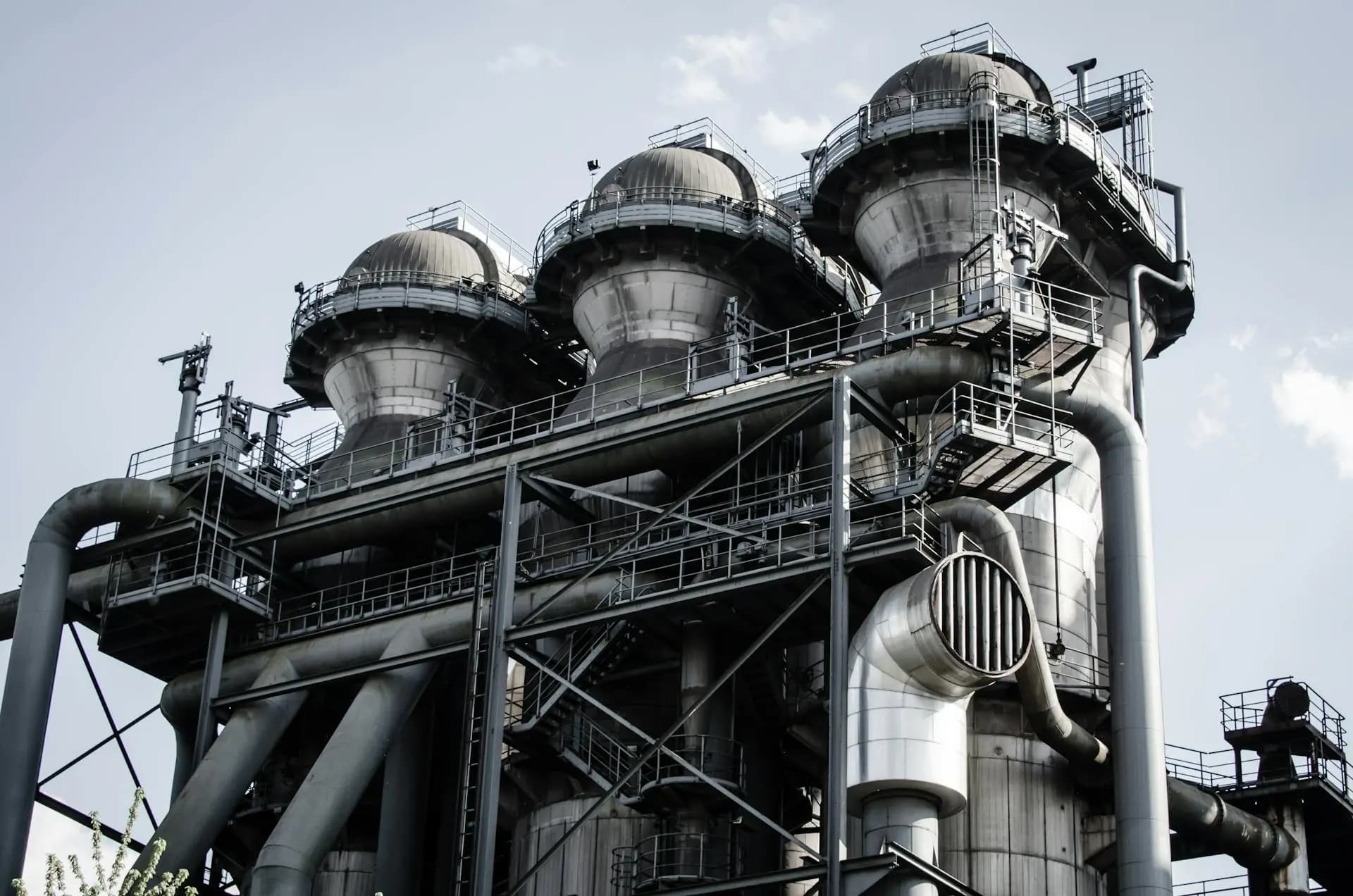

Manufacturing & Industrial IoT
Modern factories are instrumented across every layer. Sensors capture machine performance. MES tracks production. ERP manages planning and inventory.
Yet these systems do not operate together. Operators switch between dashboards. Engineers manually trace faults. Downtime is analyzed after it occurs. Production environments generate data continuously, but lack coordination.

Nexus connects industrial systems into a unified execution layer powered by workflows.
Data from APIs, databases, and file systems is continuously ingested and structured into datasets representing machine utilization, throughput, quality, and downtime.
Graph dashboards provide real-time visibility across production lines, facilities, and operations.
Workflow logic continuously evaluates conditions, enabling anomaly detection and alerting across the system.
Manufacturing teams can build systems for
- Production monitoring across lines and facilities
- Downtime tracking and root cause analysis
- Quality control and defect tracking
- Performance benchmarking across machines
Planned capabilities include process digital twin, predictive maintenance based on telemetry and historical patterns, simulation systems to evaluate production changes before execution, and AI-driven optimization to identify inefficiencies automatically.
- Digital models to replicate machine and workflow behavior
- Condition-based maintenance powered by sensor data and trends
- Testing tools for virtual production scenarios before real-world changes
- Smart algorithms for spotting and addressing operational bottlenecks
Manufacturing becomes a system that can be observed, analyzed, and improved continuously. Nexus shifts operations from reactive monitoring to structured control.
Energy & Infrastructure IoT

Energy infrastructure generates continuous data across generation, transmission, and consumption layers.
However, these systems are fragmented and lack a unified operational model. Operators react to outages instead of anticipating them.
Nexus connects SCADA systems, sensors, and external data into a single execution layer.
Workflows continuously process and structure data into datasets representing load distribution, consumption patterns, and system performance.
Graph dashboards provide visibility across the entire grid. Workflow logic enables real-time anomaly detection and alerting.
Energy teams can build systems for
- Production monitoring across lines and facilities
- Downtime tracking and root cause analysis
- Quality control and defect tracking
- Performance benchmarking across machines
Planned capabilities include
- Process digital twin to model machines, production lines, and workflows
- Predictive maintenance based on telemetry and historical patterns
- Simulation systems to evaluate production changes before execution
- AI-driven optimization to identify inefficiencies automatically
Energy operations evolve from reactive troubleshooting to coordinated system management.
Healthcare & Hospitals
Healthcare environments generate data across clinical, operational, and facility systems.
Yet these systems remain disconnected, limiting visibility and coordination.

Nexus ingests data from EMRs, IoT devices, and facility systems through workflows.
This data is transformed into structured datasets representing patient flow, bed occupancy, staff utilization, and equipment usage.
Graph dashboards provide real-time visibility across hospital systems. Workflow logic detects inefficiencies and triggers alerts.
Healthcare teams can build
- Hospital operations dashboards
- Patient flow tracking systems
- Resource utilization monitoring
- Equipment performance tracking
Planned capabilities include
- Hospital digital twin modeling departments, operations, and resources
- Operational forecasting for admissions and staffing
- AI-driven decision support for administrators
Hospitals evolve into systems that can be continuously monitored and optimized.
Telecommunications & 5G

Telecom systems produce large volumes of real-time data across distributed infrastructure. Insights often arrive too late to prevent issues.
Nexus ingests network telemetry and system metrics through workflows. This data is structured into datasets representing latency, load, and capacity.
Graph dashboards provide visibility into network performance.
Teams can build
- Network monitoring dashboards
- SLA tracking systems
- Performance analytics
- Fault detection pipelines
Planned capabilities include
- Network digital twin modeling infrastructure and nodes
- Predictive capacity planning
- AI-driven fault detection

Networks become continuously monitored and proactively managed systems.
Supply Chain & Logistics
Supply chains span multiple systems and partners. Data is fragmented and delayed, making real-time decision-making difficult.
Nexus ingests data from ERP, WMS, TMS, and APIs into workflows.
This data is structured into datasets representing shipment status, inventory levels, and delays.
Graph dashboards provide end-to-end visibility. Workflow logic identifies disruptions and triggers alerts.
Teams can build
- Shipment tracking dashboards
- Inventory monitoring systems
- Delay detection workflows
- Supply chain performance analytics

Teams can build
- Supply chain digital twin modeling suppliers, routes, and inventory
- Scenario simulation for routing and supply strategies
- Predictive ETA systems for delivery forecasting
Supply chains become systems that can be anticipated and optimized.
SaaS & Digital Products

Digital products generate large volumes of telemetry, logs, and usage data. However, this data is fragmented and often analyzed after the fact.
Nexus ingests product data through workflows and structures it into datasets representing engagement, retention, and performance.
Graph dashboards provide real-time visibility into product behavior.
Teams can build
- Product analytics dashboards
- User behavior tracking systems
- KPI monitoring pipelines
- Performance monitoring systems
Planned capabilities include
- Embedded intelligence within product workflows
- AI-driven anomaly detection
- Predictive user behavior modeling
Products evolve into systems that continuously learn and adapt.
Retail & E-Commerce

Retail systems generate data across stores, e-commerce platforms, CRM, and inventory systems.
Disconnected systems limit real-time visibility.
Nexus ingests retail data through workflows and structures it into datasets representing sales, demand, and customer behavior.
Graph dashboards provide real-time insights.
Teams can build
- Sales performance dashboards
- Demand analysis systems
- Inventory tracking pipelines
- Customer analytics systems
Planned capabilities include
- Retail digital twin modeling stores, inventory, and customers
- Predictive demand forecasting
- AI-driven personalization systems

Retail becomes a system that adapts in real-time.